
The Structural Advantages of Plywood in Modern Architecture
In furniture and interior architecture, material selection defines not only the aesthetic identity of a design but also its structural performance. Among modern engineered materials, plywood stands out as one of the most balanced and versatile options available.
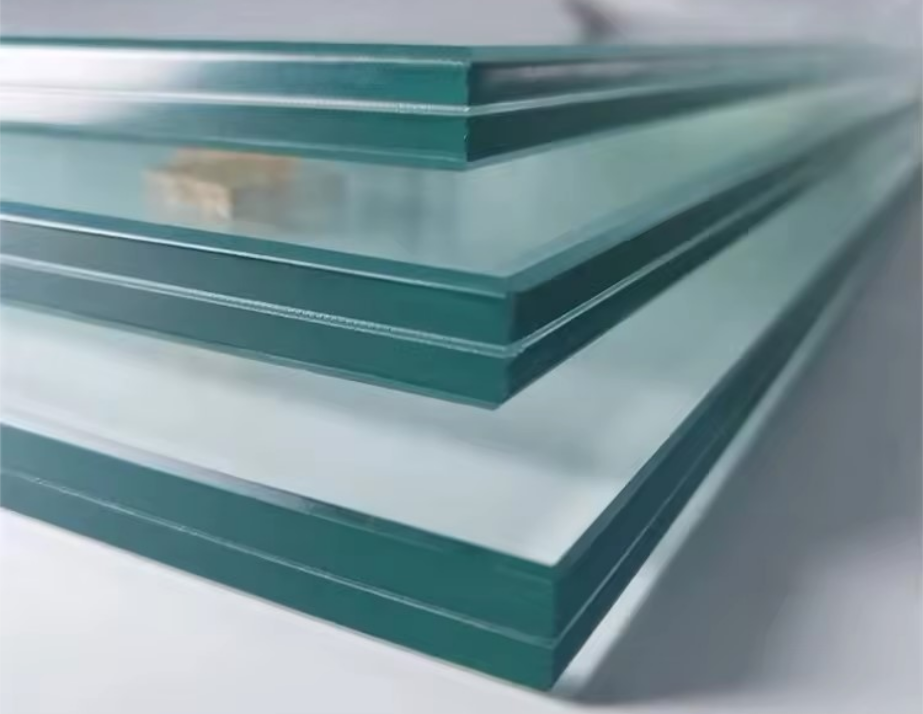
Plywood is made by bonding multiple thin layers of natural wood veneer (commonly birch, beech, or oak) together with their grain directions alternating at 90°. These layers are pressed under high temperature and pressure using durable adhesives. This cross-laminated structure gives plywood exceptional bending strength, dimensional stability, and resistance to cracking or warping — advantages that solid wood cannot always guarantee.

Technical Specifications
- Density: 500 – 750 kg/m³ (depending on wood species)
- Moisture content: 8 – 12%
- Bending strength: 60 – 100 N/mm²
- Adhesive class: D3–D4 (moisture-resistant PVAc or phenolic resin)
- Thickness range: 4 mm – 40 mm
- Surface finish options: sanding, UV coating, natural oil, or laminate
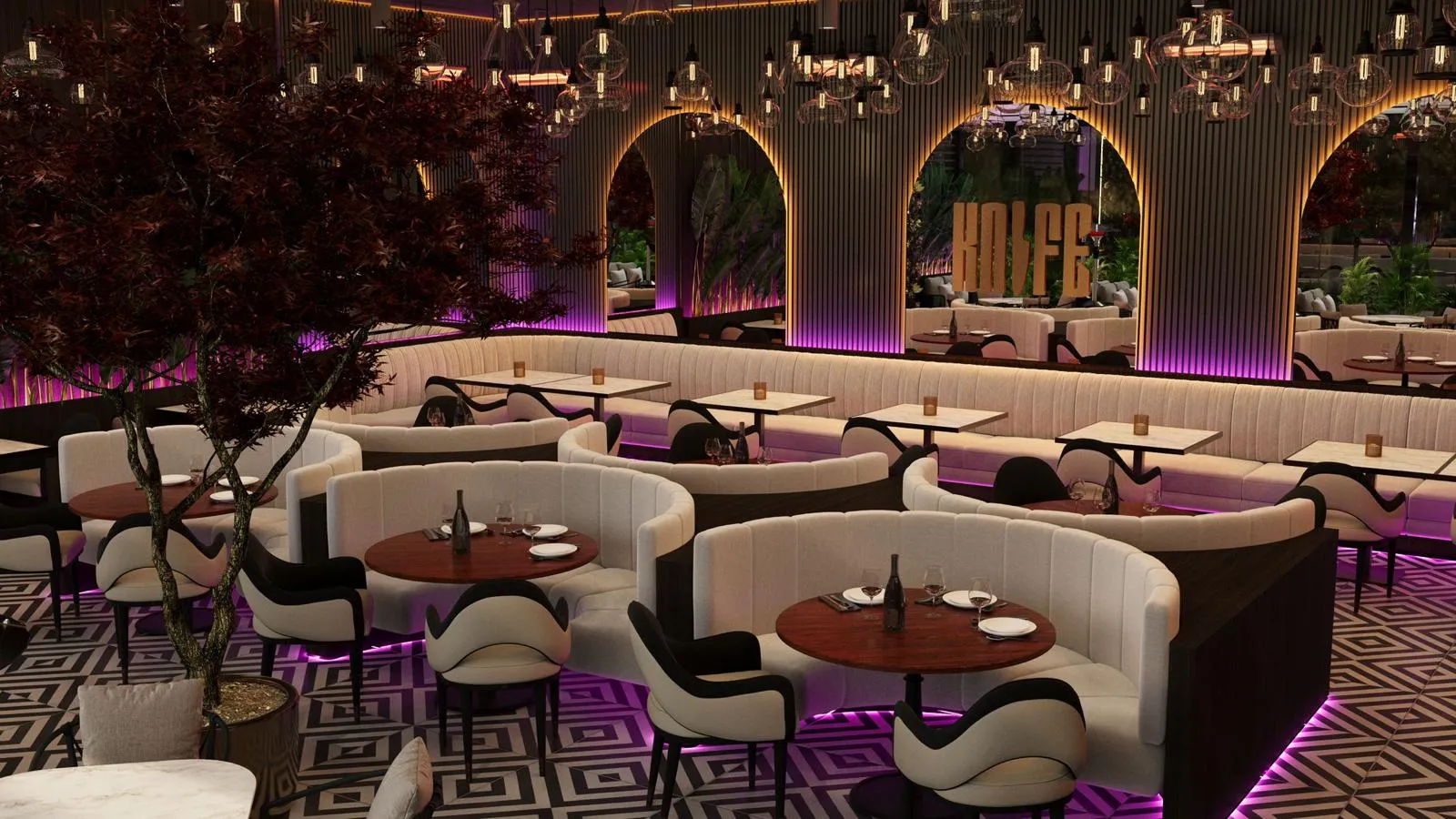
Because of these characteristics, plywood performs exceptionally well in load-bearing furniture structures, wall cladding, acoustic ceiling panels, and modular cabinetry systems. It offers a balance of strength and elegance that makes it ideal for both residential and commercial interiors.
Key Advantages
- High Strength–to–Weight Ratio: About 30% lighter than solid wood while maintaining comparable strength.
- Dimensional Stability: Minimal expansion or contraction due to humidity and temperature changes.
- Surface Versatility: Works seamlessly with laminate, veneer, or lacquer finishes.
- Sustainability: Produced from FSC-certified sources, ensuring eco-friendly design.
At Ashil Design, every plywood panel is carefully selected according to density, thickness, and veneer type. Each project undergoes detailed material testing to ensure both aesthetic harmony and mechanical durability.

Conclusion
Plywood is more than a surface — it is a structural element that defines the performance and identity of modern spaces. With its high strength, form stability, and natural warmth, plywood represents the perfect fusion of engineering precision and timeless design.